
From ancient rituals to modern celebrations, wedding traditions tell the story of where we come from, what we believe, and the promises we make to one another.
There is something timeless about a wedding. Whether it takes place in a grand historic estate, a quiet garden, a family backyard, or a place of worship, a wedding marks a moment when two people choose to build a life together. Yet the customs we associate with weddings today, from bouquets, first looks, exchanging rings, throwing rice or cutting the cake, have histories that reach far beyond our own lifetimes.
Have you ever wondered why brides traditionally wear white? Why couples exchange rings? Or why nearly every wedding seems to have its own collection of rituals, familiar to some guests and entirely new to others?
The answers reveal a fascinating story about how wedding traditions travel across generations, cultures, and continents and how each generation makes them its own.
Where Do Wedding Traditions Begin?
Marriage is an ancient human institution. Some of the earliest written evidence of marriage arrangements comes from ancient Mesopotamia, where marriage was closely connected to family relationships, property, inheritance, and social obligations. In ancient Greece and Rome, wedding celebrations could include processions, feasts, ceremonial baths and clothing, and symbolic gestures.
Of course, weddings in the ancient world looked very different from the celebrations we know today. Marriage customs varied considerably by place, period, and social standing. Many traditions we now associate with romance developed or changed over centuries.
As people migrated, traded, settled in new lands, and built new communities, they carried their customs with them. Some traditions were preserved almost unchanged. Others blended with local practices or took on entirely new meanings.
This is especially true in the United States, where wedding customs reflect the many cultures and communities that have shaped American life.
What Makes a Wedding Tradition American?
When we picture a traditional American wedding, certain images often come to mind: a white wedding dress, a procession down the aisle, an exchange of rings, a tiered wedding cake, a first dance, and a celebration shared with family and friends.
But these customs did not all originate in America, nor did they arrive at the same time.
The white wedding dress, for example, became especially fashionable after Queen Victoria wore white for her 1840 wedding to Prince Albert. Although white bridal garments existed before her wedding, her choice helped popularize the style, which spread through fashion and cultural influence.
Wedding rings have much older histories, with traditions of ring exchange developing across ancient and later societies. Wedding cakes evolved from a variety of earlier celebratory foods. And the familiar American wedding reception, with music, speeches, cake cutting, and dancing, is a combination of customs that developed and changed over time.
Other traditions come from the cultural heritage of Indigenous peoples, African American communities, and families whose roots span the globe. Some couples incorporate religious ceremonies or ancestral customs; others blend several traditions into one celebration.
There is no single set of customs that defines every American wedding. Instead, American wedding culture is a tapestry woven from many histories, family practices, and personal choices.
Perhaps that is what makes it so meaningful: we inherit traditions, but we also have the opportunity to reinterpret them.
The Traditions We Keep and the Ones We Create
For many couples, wedding traditions offer a connection to the people who came before them.
A bride might wear a piece of jewelry passed down through generations. A couple might incorporate a family recipe into the reception menu, choose a meaningful song for their first dance, or include a cultural ceremony that has been part of their family for centuries.
Other couples choose traditions simply because they love what they represent. An exchange of handwritten vows, a shared moment before the ceremony, or a gathering around a family table can become just as meaningful as a custom with a centuries-old history.
And some couples decide to begin entirely new traditions.
Perhaps they invite every guest to contribute a handwritten wish for their marriage. Maybe they plant a tree together, include their children in the ceremony, or return to the place where they were married on each anniversary.
These choices remind us that traditions are not simply relics of the past. They are living expressions of what matters to us.
A tradition does not have to be ancient to be meaningful. Sometimes, it begins with a single moment that a couple decides to remember.
Your Wedding Story Is Part of the Tradition
Every wedding has a story, and often, the most memorable details are the ones that mean something special to the couple or their families.
Maybe your grandmother wore the same wedding veil that you wore. Perhaps your family has a particular blessing that is spoken at every wedding. Maybe you honored your heritage with a traditional ceremony, or you and your partner created a ritual that was entirely your own.
Even the traditions we choose not to follow can tell a story about who we are and the kind of marriage we hope to build.
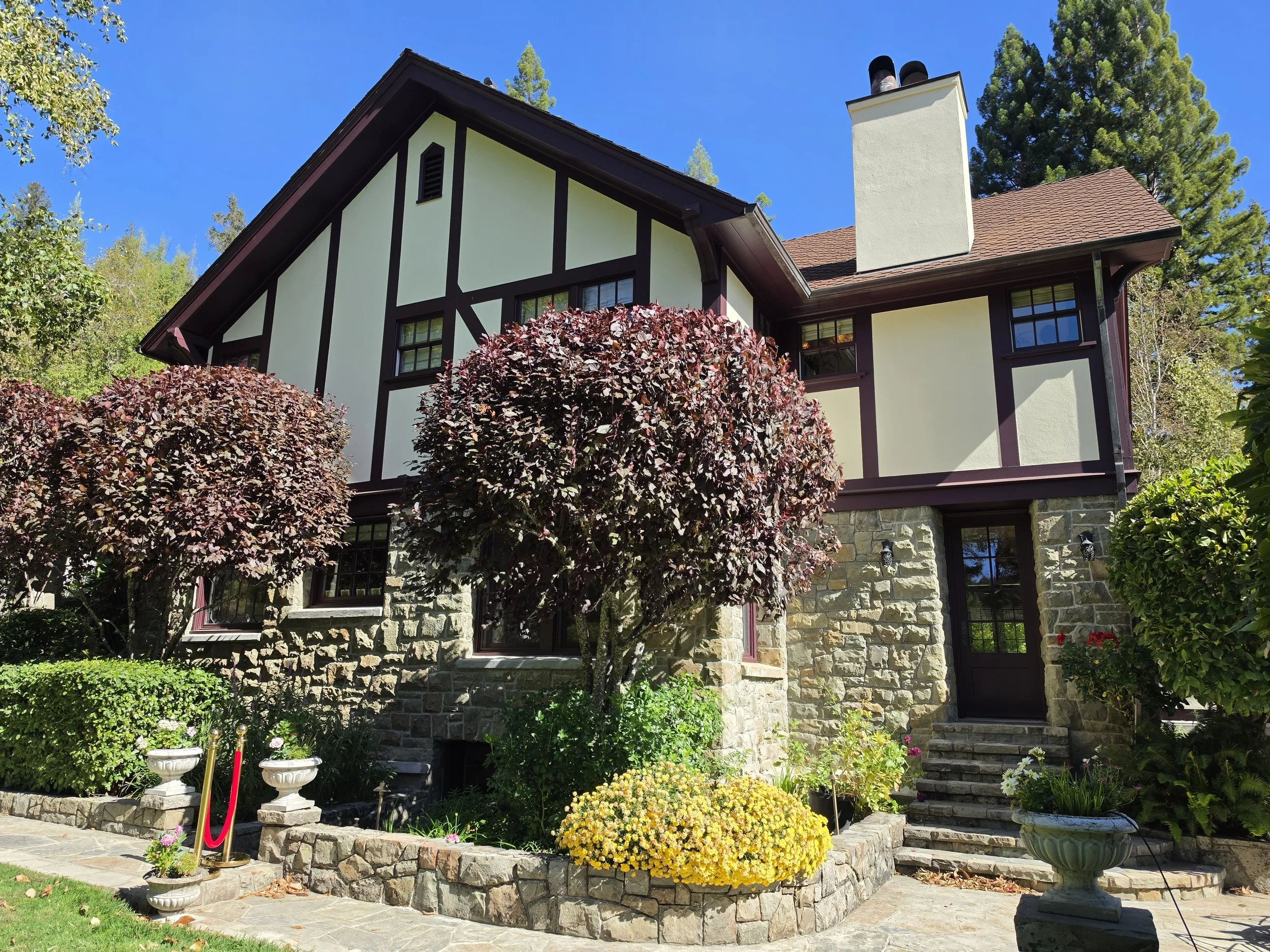
At Julia Morgan Redwood Grove, we believe that the places where we gather to celebrate life's milestones become part of our stories, too. A historic setting connects a new chapter to the generations that came before, while every couple brings something uniquely their own to the occasion.
And that is one of the beautiful things about weddings: no two celebrations need to be alike for both to be meaningful.
We'd Love to Hear Your Wedding Traditions
Now we want to hear from you!
What wedding traditions will be part of your special day?
Will you carry on a custom passed down through your family? Incorporate traditions from your cultural heritage? Follow a familiar wedding ritual, or create something entirely new?
We would love to know which traditions mean the most to you, where they came from, and why you will choose to include them. Tell us about the traditions you hope to carry forward, or the new ones you want to begin.
Share your story in the comments or join the conversation on social media. Your wedding tradition might inspire another couple as they plan a celebration of their own.
After all, the history of weddings isn't just something we read about in books. It is something we continue to write, one celebration at a time.
Julia Morgan Redwood Grove celebrates the stories, traditions, and personal touches that make every wedding unique.