
Benbow Valley
A Hidden Redwood Gem
Near Garberville, CA
Welcome to the serene Benbow Valley, nestled along the South Fork Eel River in southern Humboldt County. With towering redwoods, rolling hills, and a rich history, Benbow Valley offers a unique glimpse into California’s natural and cultural heritage
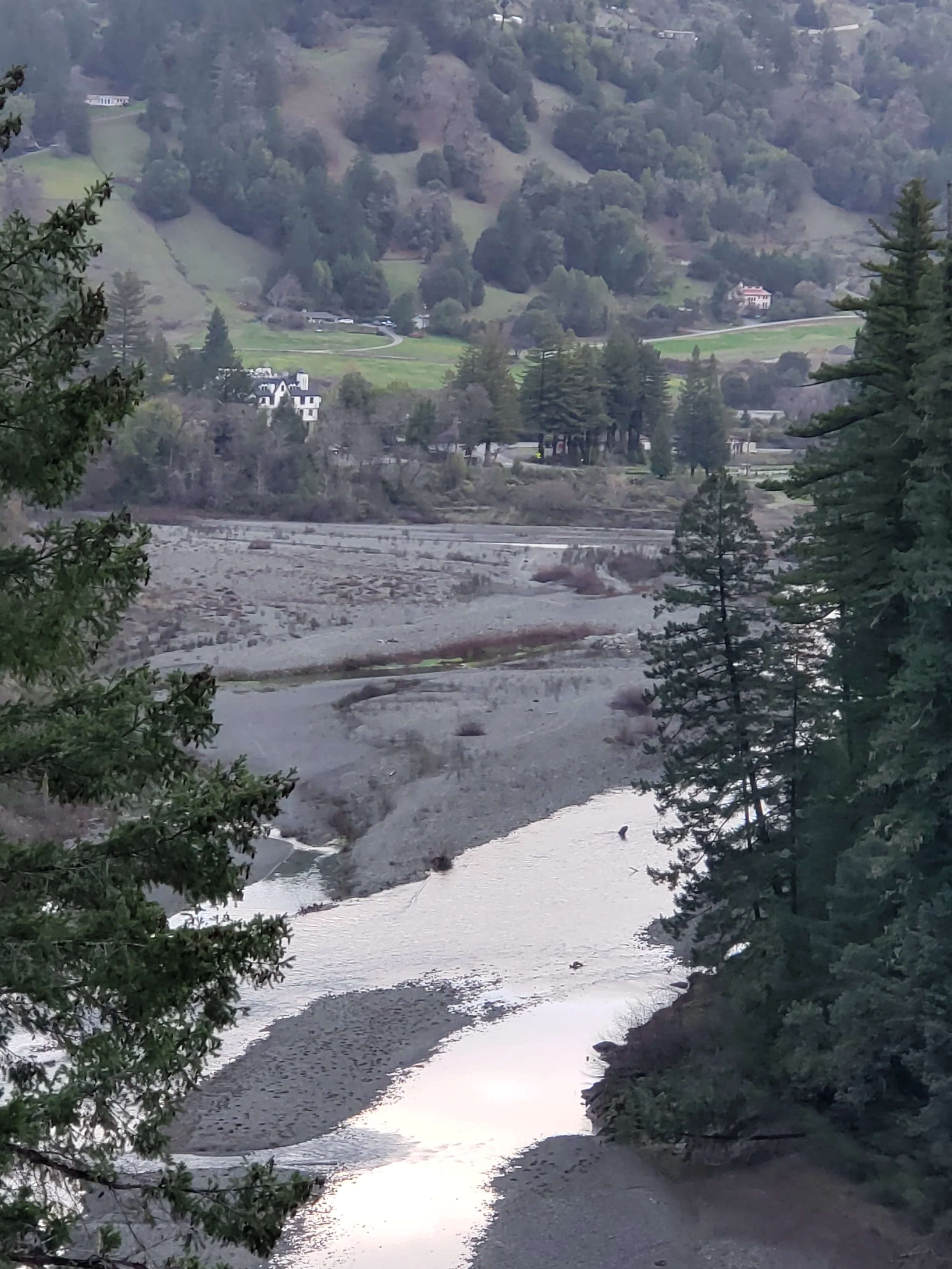
Photograph by Tanya Musgrave
A Land Shaped by Nature
Benbow Valley rests within one of Northern California’s most storied river landscapes, where ancient redwoods, steep forested hillsides, and the South Fork Eel River have shaped both the land and the lives of those who have passed through it.
The valley’s natural character is defined by water. The South Fork Eel River winds through redwood country, providing cold-water habitat for salmon, steelhead, and other native species. Its gravel bars, shaded pools, and forested banks continue to support wildlife and connect the valley to the larger Eel River watershed, one of the defining river systems of California’s North Coast.
In the early 20th century, Benbow became known as a redwood-country destination along the Redwood Highway, welcoming travelers drawn by the region’s towering forests, scenic river views, and growing tourism industry. Today, Benbow remains a place where natural history and human history meet, offering visitors a glimpse into both the ecological richness and cultural heritage of California’s redwood region.
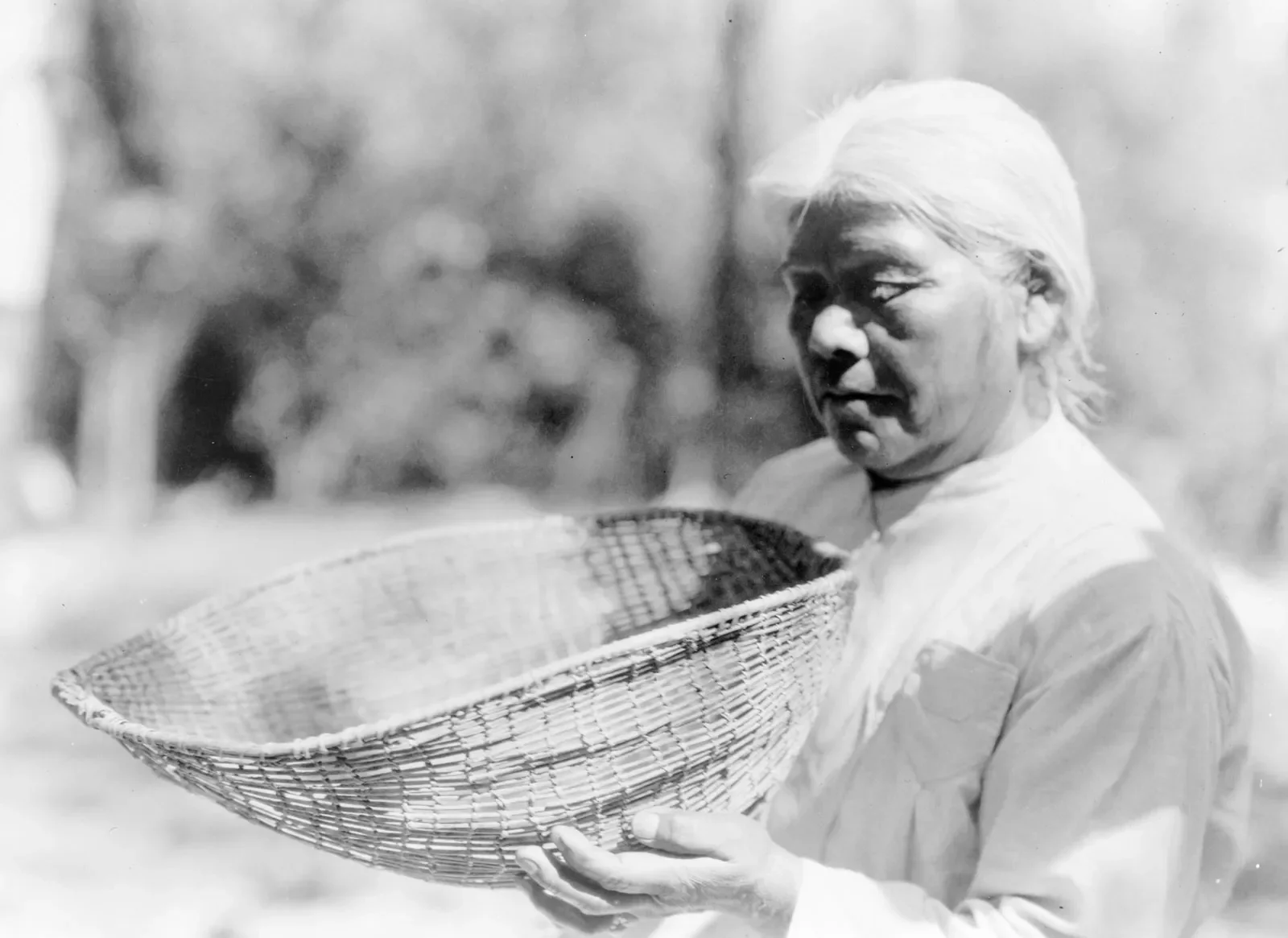
Photograph by Edward S. Curtis, c. 1924.
Indigenous Roots
Long before roads, resorts, and travelers came through the Benbow Valley, the South Fork Eel River was part of a living Indigenous homeland. This river corridor lies within the traditional territory of the Sinkyone people, whose identity is closely tied to the South Fork Eel. In Sinkyone language traditions, the river is known as Sinkyoko, and the name Sinkyone has been translated as “peoples of the South Fork Eel River.”
The Sinkyone were part of a broader network of Eel River Athabaskan-speaking peoples whose homelands stretched across the Eel River and Van Duzen River regions. Language records identify Sinkyone dialect areas along the lower Eel River and South Fork Eel River, including the stretch between Phillipsville and Leggett.
The arrival of Euro-American settlers brough devastating violence, forced removal, and loss of land to Sinkyone people and neighboring Native communities. But the connection to this land was never erased. Sinkyone descendants and neighboring Tribal Nations continue to protect ancestral lands, restore cultural relationships, and carry forward traditions of stewardship today. through various efforts.
For Benbow Valley, this means the landscape is more than beautiful. The river, the redwoods, wildlife, and trails are part of a much deeper story, one rooted in indigenous presence, survival, and enduring relationship with the land.
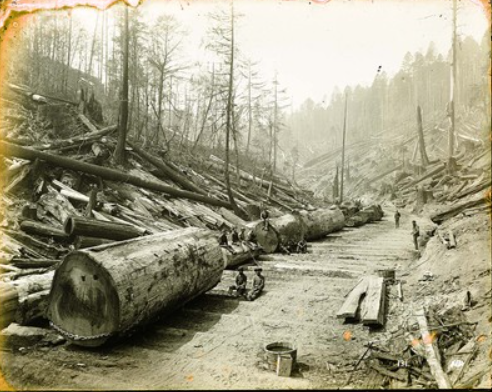
Photograph: Calisphere University of California
Settlers and Logging History
The story of Benbow Valley changed dramatically in the mid-1800’s, when Euro-American explorers, miners, ranchers, and settlers began moving into the Eel River country. The Gold Rush brought a surge of newcomers into Humboldt County, first in search of mineral wealth and then in pursuit of land , timber, farming, and trade. Southern Humboldt’s early settler history is closely tied to the difficult travel routes through the Eel River watershed and the gradual development of communities such as Garberville, just north of present-day Benbow.
As settlers established cabins, ranches, farms and small businesses, the surrounding redwood forests became one of the region’s most valuable resources. Logging in Humboldt county began in the early years of settlement, with timber used for homes, businesses, mining camps, wharves and growing towns throughout California. By the 1850’s, Humboldt lumber was already being shipped to San Francisco , and by 1860 the county had become one of California’s leading lumber produces.
Roads, rail lines and later the Redwood Highway opened the once remote redwood country to commerce and travelers. The history of Benbow Valley is therefore not only a story of scenic beauty, but also one of settlement, labor, timber, transportation, and transformation.
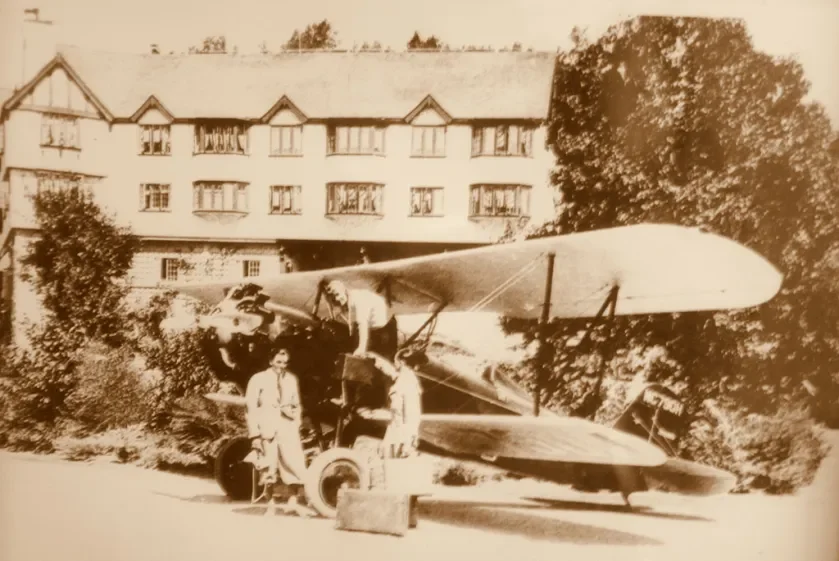
Photographer: Unknown
The Rise of Benbow Tourism
The 1920s brought new life to the valley with the Benbow Inn, designed as a scenic retreat for travelers along the Redwood Highway. The Inn and surrounding area became a hub for recreation, from fishing and hiking to relaxing amid redwoods.
The Benbow family’s vision turned the valley into a destination for those seeking natural beauty paired with historic charm.

Photograph: Jenny Early
Environmental Stewardship
Though logging shaped much of Benbow Valley, conservation efforts have preserved old-growth trees and wildlife habitat. Today, the valley features a mix of second-growth forests, private lands, and protected areas, reflecting a balance between human history and nature.
Photographer: Unknown
Plan Your Visit
Whether you’re exploring the history of the valley, walking among ancient redwoods, or enjoying a peaceful riverside getaway, Benbow Valley offers a timeless California experience.
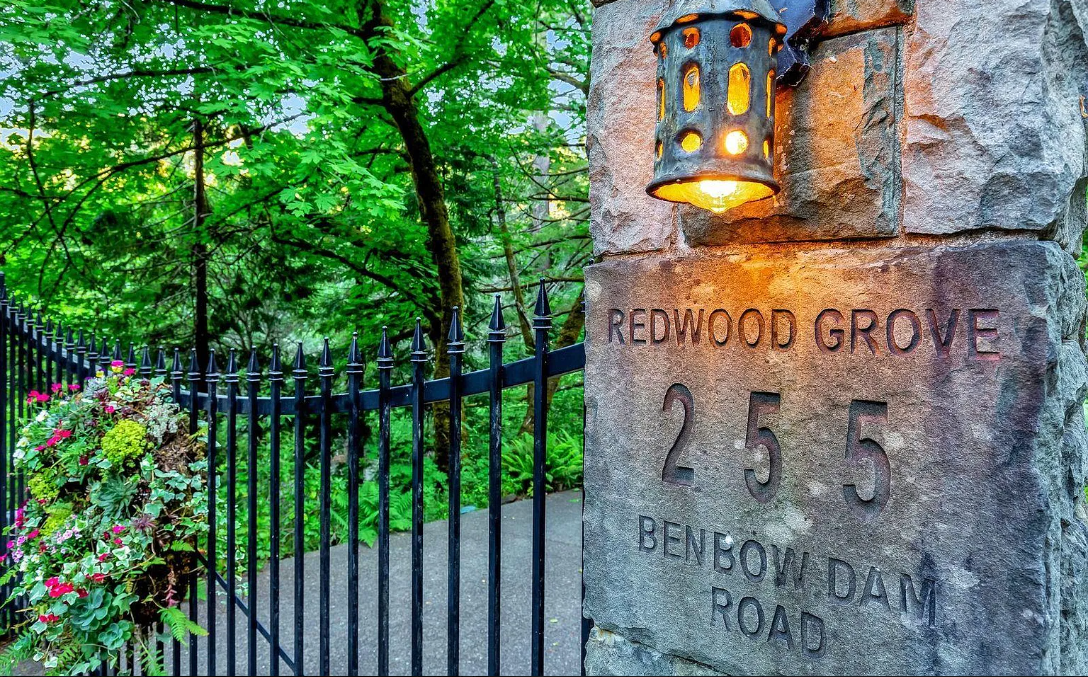
Take a historical tour at the Julia Morgan Redwood Grove private estate and step back into the valley’s storied past.
Relax in the limited on-site lodging and take your time exploring the valley’s scenic trails, riverfront, and redwood groves